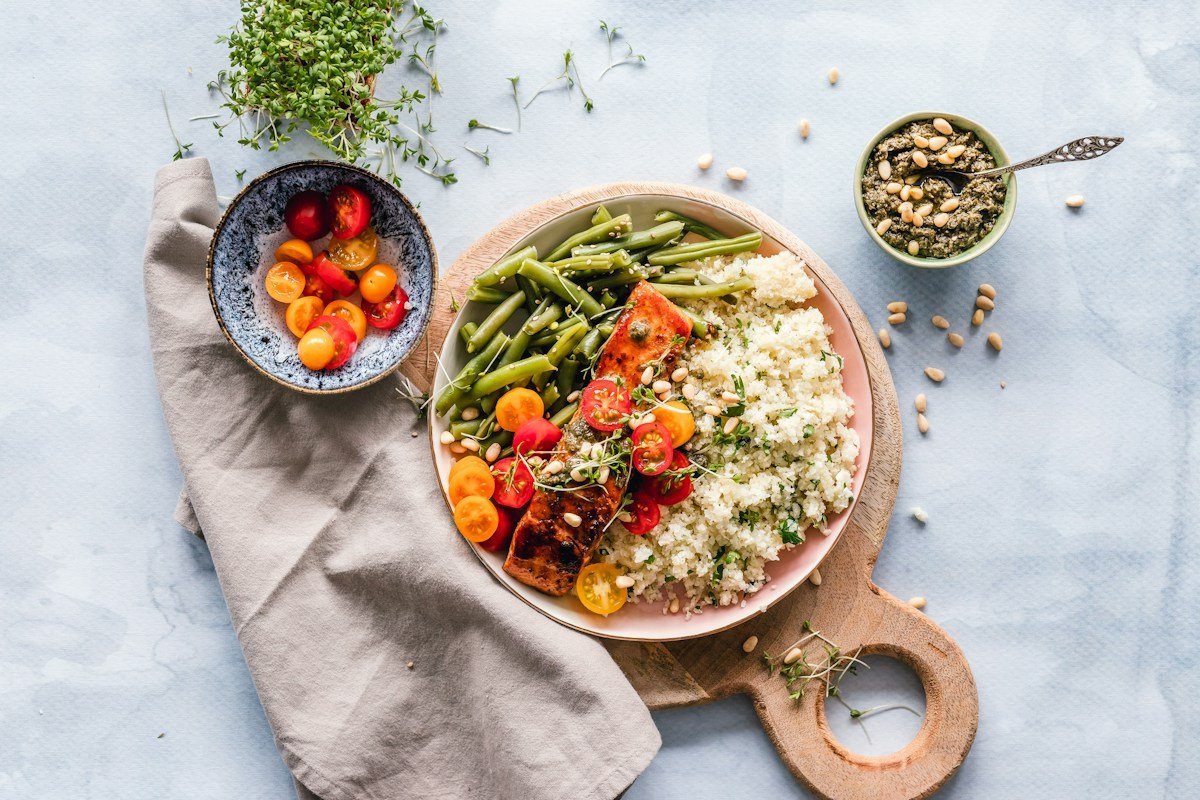
Meal planning is often presented as an elaborate weekend project involving dozens of containers and complicated recipes. In reality, a useful plan can be as simple as deciding on a few meals, buying ingredients that work in more than one dish and preparing some basic components ahead of time. The purpose is not to control every bite. It is to make nourishing food easier to access when your schedule is busy, your energy is low or you are deciding what to eat at the last minute.
Why plan meals?
A little planning can reduce the stress of daily food decisions. It can also help you use groceries before they spoil, make shopping more focused and reduce dependence on expensive convenience meals. When you have ingredients ready, it may be easier to include vegetables, fibre-rich carbohydrates and a protein source in your meals. Planning can support different goals, but it should remain flexible. Unexpected events, changing appetite and social occasions are normal parts of life.
Start with your real schedule
Before choosing recipes, look at the week ahead. Identify days when you have time to cook and days when you need something quick. Consider your kitchen access, storage space, budget, food preferences and the number of people you are feeding. A student living in a hostel may need a different approach from a family cooking at home. There is no benefit in planning meals that require equipment or time you do not have.
Choose a small set of dependable meals rather than trying to cook something new every day. For example, breakfast could rotate between oats, eggs, fruit and curd. Lunch might use rice or roti with dal, vegetables and curd. Dinner could include a one-pot khichdi, a bean-based dish, tofu or paneer with vegetables, or a simple soup with whole-grain bread. Familiar meals make shopping and preparation easier.
Build meals from flexible components
Instead of preparing seven completely different recipes, prepare a few ingredients that can be combined in several ways. Cook a pot of lentils or beans, prepare a grain such as rice or millet, wash and chop vegetables, and keep a few protein options available. These components can become a bowl, wrap, salad, curry or quick stir-fry. This approach offers variety without requiring a separate cooking session for every meal.
Include a protein option
Protein-rich ingredients can make meals more satisfying and help meet daily needs. Depending on your preferences, choose lentils, chickpeas, kidney beans, eggs, tofu, paneer, curd, fish or lean meat. If you rely on plant foods, rotate different pulses and soy foods through the week. You do not need a special protein product to make a balanced meal; ordinary foods can contribute meaningfully.
Make vegetables convenient
Vegetables are easier to use when they are visible and ready. Wash produce, dry leafy greens properly and store ingredients in clean containers. Some vegetables can be chopped in advance, while others are best prepared just before cooking. Frozen vegetables are a useful backup and can reduce waste. Keep a mixture of colours and types over the week rather than buying a large amount of one vegetable that you may not finish.
Choose useful carbohydrate staples
Rice, oats, whole-wheat flour, millets, potatoes, sweet potatoes and other grains or starchy vegetables can form the base of meals. Whole-grain and higher-fibre options are useful choices when available, but the best staple is one you enjoy, can afford and will actually eat. Cooked grains should be cooled and refrigerated promptly rather than left at room temperature for long periods.
A simple weekly planning routine
Begin by checking what you already have. Use ingredients that need to be eaten soon, then write a short shopping list for missing items. Choose two or three breakfasts, lunches and dinners that can share ingredients. For example, cooked chickpeas might be used in a curry one day and a salad or wrap another day. A tray of roasted vegetables can accompany grains at lunch and be added to an omelette or sandwich later.
Set aside a realistic preparation window. Even 30 to 60 minutes can help if you focus on basic tasks such as washing produce, cooking one grain, preparing a pulse dish and portioning snacks. You do not have to prepare every meal in advance. Some foods are better cooked fresh, and leaving room for spontaneous meals keeps the plan from feeling restrictive.
Food safety matters during meal preparation
Planning ahead is useful only when food is stored safely. Wash hands and work surfaces before preparing food. Keep raw meat, poultry and seafood separate from ready-to-eat foods, and use clean utensils. Refrigerate perishable cooked food promptly in shallow, covered containers. Keep your refrigerator at a safe temperature, follow storage guidance for individual foods and reheat leftovers thoroughly. When in doubt about how long a food has been stored or whether it has been kept cold enough, discard it rather than taking a risk.
Pack meals in clean, leak-resistant containers. If food will be carried for several hours, use an insulated lunch bag with a cold pack for foods that need refrigeration. Avoid leaving perishable meals in a hot car or at room temperature for extended periods. Food safety recommendations can vary by food and climate, so follow local public-health guidance.
Make meal planning budget-friendly
Build your shopping list around seasonal produce and affordable staples. Dried pulses, oats, rice, whole-wheat flour, eggs and locally available vegetables can be economical foundations. Compare unit prices rather than relying only on package size. Frozen produce can be cost-effective, particularly when fresh items are expensive or spoil quickly. Choose a few versatile ingredients that appear in multiple meals, and avoid buying specialty products for a single recipe unless you know you will use them again.
Reducing food waste is another way to protect your budget. Store ingredients in a way that makes them easy to see, label prepared containers with dates and plan a flexible leftover meal. A vegetable soup, fried rice made with safely stored ingredients or a mixed dal can use small amounts of several foods. Do not keep leftovers indefinitely; safe storage time depends on the food and refrigerator conditions.
Keep the plan flexible
A meal plan should guide you, not make you feel guilty. If a meeting runs late, use a quick backup such as curd with fruit and nuts, eggs with toast, or a bean wrap. If you eat out with friends, enjoy the meal and return to your usual routine afterwards. Appetite changes from day to day, so portions should respond to hunger, activity and personal needs. People managing a medical condition, food allergy or therapeutic diet may need a more individual plan from a registered dietitian or qualified healthcare professional.
Common meal-planning mistakes
- Planning too many new recipes: start with familiar meals and add one new recipe at a time.
- Buying without checking your kitchen: review cupboards and the refrigerator before shopping to avoid duplicates.
- Preparing more than you can store: match batch sizes to your refrigerator and the number of people eating.
- Making the plan too strict: leave room for leftovers, meals out and changing preferences.
- Forgetting snacks and fluids: keep convenient options available if they help you meet your needs during a busy day.
Frequently asked questions
How many days ahead should I plan?
Start with three or four days if a full week feels overwhelming. You can extend the plan as you learn what works for your schedule and storage space.
Do I need to prepare every meal in advance?
No. Preparing a few ingredients or one main dish can be enough. Cook some meals fresh and use prepared components to save time.
Is meal planning suitable for a student or hostel resident?
Yes. Focus on foods that are affordable, easy to store and compatible with your available kitchen facilities. If you rely on a mess or cafeteria, plan around its menu by adding practical snacks or complementary foods when needed.
Final thoughts
Successful meal planning is less about perfection and more about reducing everyday friction. Start with your schedule, choose familiar meals, prepare a few flexible ingredients, store food safely and keep a backup option available. Over time, a simple routine can make balanced eating more convenient, affordable and enjoyable.