Carbohydrates are one of the body’s main sources of energy. They occur in foods as sugars, starches and fibre, and they are found in fruit, vegetables, pulses, milk, grains and many packaged foods. Rather than treating all carbohydrates as either good or bad, it is more useful to consider the food they come in, how much fibre it provides and how it fits into the overall meal.
What happens when we eat carbohydrates?
During digestion, many carbohydrates are broken down into sugars such as glucose. Glucose can be used by cells for energy, stored for later use or converted through normal metabolic pathways. Fibre behaves differently: some types are fermented by gut microbes, while others help add bulk and support regular bowel movements. The body does not digest all carbohydrate-containing foods at the same speed.
Understand the main types
Sugars
Sugars occur naturally in foods such as whole fruit and milk, and they may also be added to sweets, sweetened drinks, biscuits and desserts. The food matrix matters. Whole fruit, for example, supplies water, fibre and micronutrients alongside naturally occurring sugars.
Starches
Starch is found in rice, wheat, oats, maize, potatoes and many pulses. Whole or minimally processed versions often retain more fibre and micronutrients than refined alternatives. Potatoes and rice can be part of balanced meals; preparation, portions and the foods eaten alongside them all matter.
Fibre
Fibre is found in vegetables, fruits, beans, lentils, nuts, seeds and whole grains. Different fibres have different properties. Some form gels and can help moderate the rate at which food is digested; others add bulk. A varied diet supplies a mix.
Why whole grains are useful
Whole grains retain the bran, germ and endosperm in their original proportions. Examples include oats, whole wheat, brown rice, barley, millet and whole-grain maize. They can contribute fibre, B vitamins and minerals. Refined grains have had some parts removed, which can reduce fibre and certain nutrients, although many refined grain products are enriched.
Try replacing some refined grain servings with whole-grain choices rather than attempting an overnight switch. Oats at breakfast, whole-wheat roti, brown rice, millet or barley in a meal can add variety. The best choice is one you enjoy, can afford and can prepare regularly.
Pair carbohydrates for a balanced meal
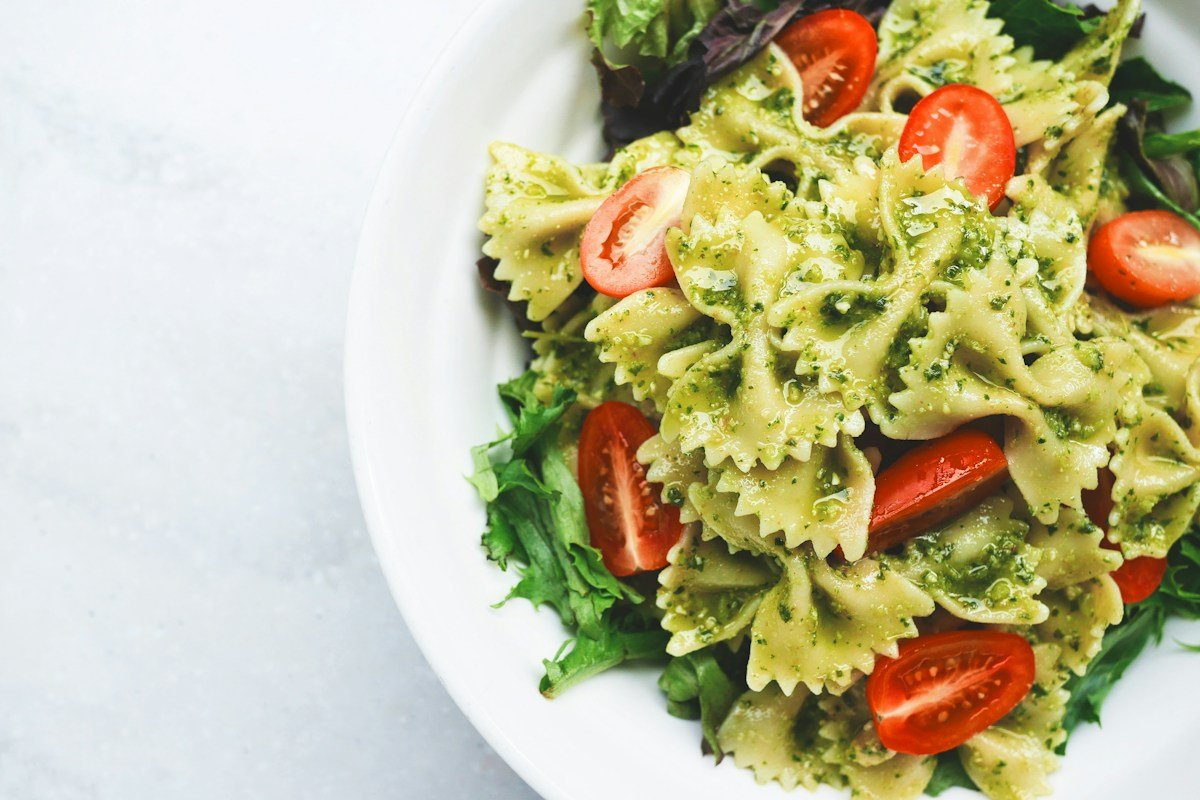
A carbohydrate food does not need to be eaten alone. Pair rice, roti, potatoes or bread with dal, beans, eggs, curd, tofu, fish or another protein source, and add vegetables. Protein, fibre and fat can make a meal more satisfying. This combination also creates a wider range of nutrients than relying on one food group.
Practical ways to eat more fibre
- Add a serving of beans, chickpeas or lentils to meals.
- Choose whole fruit more often than juice.
- Include vegetables at lunch and dinner.
- Try oats, barley, millet or whole-wheat foods.
- Add nuts or seeds to suitable meals or snacks.
Increase fibre gradually and drink enough fluid. A sudden large increase may cause bloating or discomfort, especially if your usual intake is low. People with digestive conditions may need tailored advice about the type and amount of fibre.
Are carbohydrates responsible for weight gain?
No single macronutrient automatically causes weight gain. Body weight is influenced by long-term energy intake and expenditure, along with sleep, activity, medications, health and other factors. Highly palatable foods that are easy to overeat can make energy balance harder, but that does not mean rice, fruit, oats or roti must be avoided. Portion awareness and an overall sustainable pattern are more helpful than banning an entire nutrient group.
Reading labels and choosing packaged foods
Check serving size, total carbohydrate, fibre and added sugars where the label provides them. Compare similar products rather than judging by one number. Ingredients are generally listed by weight, so the first few ingredients can help you understand what a product mainly contains. A product labelled “multigrain” is not automatically whole grain; check the ingredient list.
Frequently asked questions
Should I stop eating rice to be healthy?
No. Rice can fit into a balanced diet. Consider the portion, add vegetables and a protein source, and choose higher-fibre grains sometimes if you enjoy them.
Is fruit sugar the same as added sugar?
Whole fruit contains naturally occurring sugars within a food that also provides fibre, water and micronutrients. Added sugars in sweetened foods and drinks are a different dietary consideration.
Are low-carbohydrate diets necessary?
Not for everyone. Some people follow them for specific reasons, but long-term suitability, food quality and medical context matter. Seek professional guidance if you have a health condition or take glucose-lowering medication.
Key takeaway
Carbohydrates are a normal and useful part of eating. Emphasise fibre-rich sources such as pulses, vegetables, fruit and whole grains, enjoy portions that suit your needs, and build meals that include protein and a variety of foods.