Blood glucose, often called blood sugar, is the amount of glucose circulating in the blood. Glucose is an important fuel for the body’s cells. The digestive system breaks down many carbohydrate-containing foods into glucose, and hormones such as insulin help regulate how glucose moves from the blood into tissues. Blood glucose is influenced by meals, activity, sleep, stress, illness, medicines and individual health.
How food affects blood glucose
Carbohydrate foods generally have the most direct effect on blood glucose, but the response depends on the food, portion, preparation and what is eaten alongside it. Whole fruit, pulses and intact grains contain fibre and are digested differently from sweetened drinks or refined snacks. Protein, fat and fibre in a mixed meal can change the speed of digestion and glucose absorption.
Build balanced meals
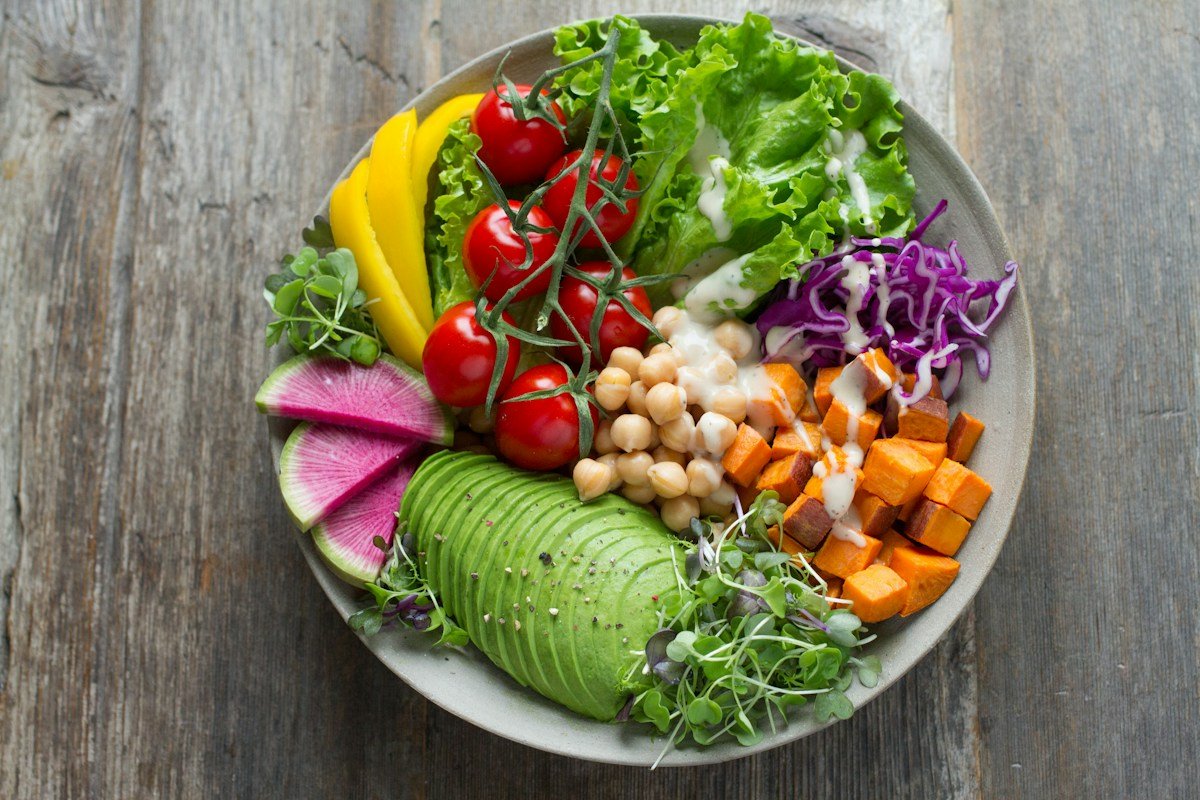
Combine a carbohydrate source with protein and vegetables. For example, rice with dal and vegetables, roti with chickpeas and salad, or oats with curd and fruit can be balanced options. There is no need for everyone to eliminate rice, bread, potatoes or fruit. Portion size and individual response matter, particularly for people with diabetes who monitor glucose.
Why fibre helps
Fibre-rich foods such as beans, lentils, chickpeas, vegetables, whole grains, nuts and seeds can support digestive health and may help moderate post-meal glucose responses. Increase fibre gradually and drink enough fluid. Choose whole fruit more often than juice because it retains fibre and is generally more filling.
Movement and blood glucose
Muscles use glucose during activity, and regular movement can improve insulin sensitivity. Walking after meals, cycling, strength training and other activities can contribute. Start with a realistic amount and build gradually. People taking insulin or medicines that can cause low blood glucose should follow their clinician’s advice about exercise, food and glucose monitoring.
Sleep, stress and routine
Short sleep, stress and illness can affect blood glucose regulation. A regular sleep schedule, stress-management support and consistent medication routines may help. These habits are useful but do not replace prescribed treatment or monitoring.
Understanding diabetes risk
Type 2 diabetes risk is influenced by family history, age, body composition, activity, sleep, certain medical conditions and other factors. Some people develop diabetes despite healthy habits. Screening may be recommended based on age and risk. A clinician can advise on tests such as fasting glucose or HbA1c and explain what results mean.
When to seek medical advice
Excessive thirst, frequent urination, unexplained weight loss, blurred vision or unusual fatigue can occur with high blood glucose and should be assessed. Confusion, vomiting, severe dehydration or rapid breathing can indicate an emergency. People with diabetes should follow their personalised care plan and not change medication based on general nutrition articles.
Frequently asked questions
Does fruit raise blood sugar?
Fruit contains carbohydrate, but whole fruit also provides fibre, water and micronutrients. Most people can include suitable portions; individual plans may differ for diabetes management.
Should I stop eating rice?
Not necessarily. Choose portions that fit your needs and pair rice with protein foods and vegetables. People with diabetes can use glucose monitoring and professional guidance to individualise meals.
Can cinnamon replace diabetes medicine?
No. Evidence is not strong enough to use cinnamon as a substitute for prescribed treatment. Do not stop or change medicines without clinical advice.
Key takeaway
Blood glucose is affected by food, activity, sleep, stress and health. Build balanced meals with fibre-rich foods, move regularly and seek screening or professional advice when risk factors or symptoms are present.