Plant-based eating can mean anything from adding more plant foods to following a fully vegan diet. A well-planned pattern can provide fibre, vitamins, minerals and a range of plant compounds. The more animal foods a person removes, the more important it becomes to plan reliable sources of nutrients such as vitamin B12, iron, calcium, iodine, zinc, vitamin D and omega-3 fats.
Build meals around variety
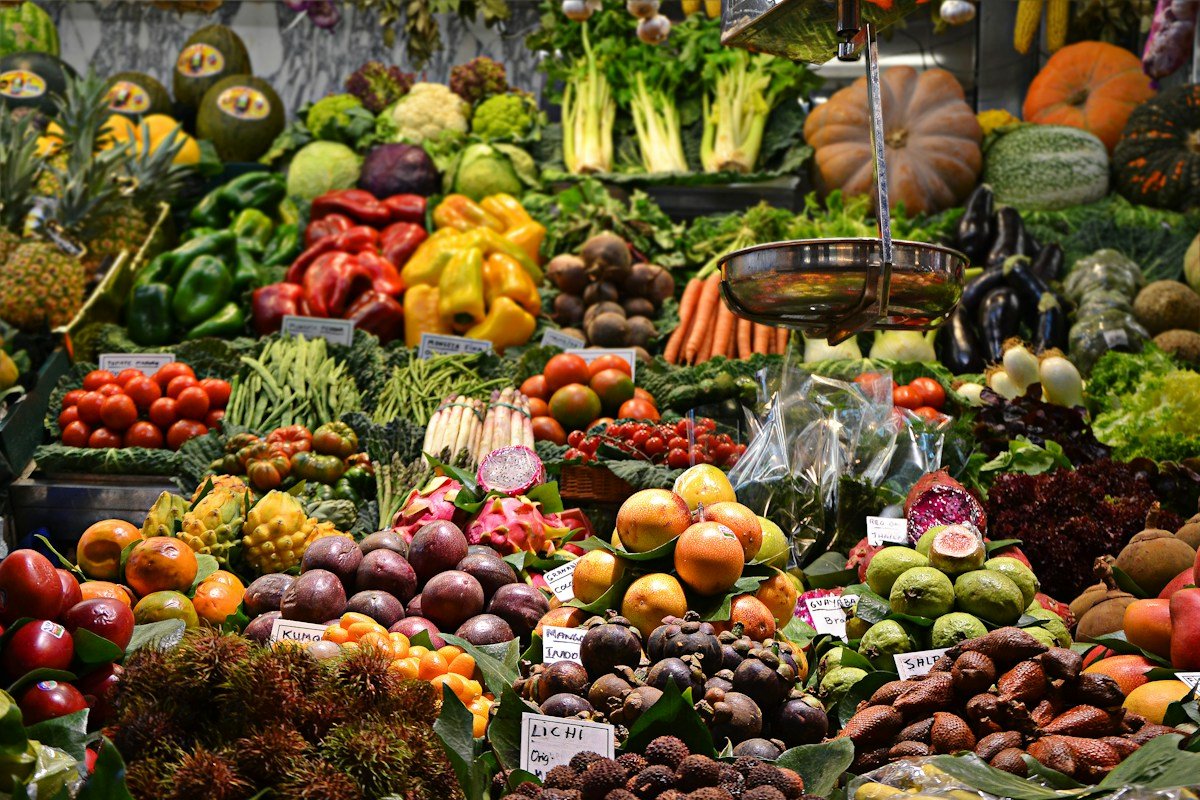
Use vegetables, fruits, pulses, whole grains, nuts, seeds and suitable fortified foods as regular ingredients. Include different colours and types across the week. Rice, roti, oats, millet, potatoes and other starchy foods can provide energy; beans, lentils, chickpeas, tofu, tempeh and soy chunks contribute protein.
Meet protein needs
Plant protein sources include lentils, beans, peas, chickpeas, soy foods, nuts, seeds and some grains. Include protein-rich foods at several meals. It is not necessary to combine complementary proteins in every bite; eating a variety of plant foods across the day helps supply essential amino acids. People with higher protein needs may benefit from individual planning.
Plan vitamin B12 carefully
Vitamin B12 is naturally found mainly in animal-derived foods. People following a vegan diet need a dependable source from fortified foods or a suitable supplement. Unfortified plant foods, seaweed and fermented foods are not reliable substitutes. If you follow a fully plant-based diet, discuss a long-term B12 plan with a qualified dietitian or clinician.
Pay attention to iron and calcium
Plant foods such as lentils, beans, chickpeas, tofu, seeds and fortified cereals provide non-haem iron. Pair them with vitamin-C-rich foods such as citrus, guava, tomatoes or capsicum to support absorption. Calcium sources include fortified plant drinks, calcium-set tofu, selected greens, sesame and some beans. Check labels because fortification varies between products.
Omega-3 fats, iodine and vitamin D
Flaxseed, chia seeds and walnuts provide the plant omega-3 fat ALA. The body converts only a small amount of ALA into the longer-chain omega-3 fats EPA and DHA. Some people may consider algae-based products after discussing needs with a professional. Iodine sources vary by country and food supply; iodised salt can help, but salt intake should still follow public-health guidance. Vitamin D needs depend on diet, sunlight and health circumstances.
Practical meal ideas
- Oats with fortified soy drink, fruit, chia and nuts.
- Dal, rice, vegetables and a vitamin-C-rich side.
- Chickpea curry with roti and salad.
- Tofu or tempeh stir-fry with whole grains.
- Bean soup with whole-grain bread.
Frequently asked questions
Is a plant-based diet automatically healthy?
Not automatically. Highly processed foods can be plant-based too. Overall variety, nutrient adequacy and food quality matter.
Can vegans get enough calcium?
Yes, with planning. Fortified plant drinks, calcium-set tofu, selected greens and other calcium-containing foods can contribute.
Do plant-based eaters need B12 supplements?
People following a fully vegan diet need a reliable B12 source, usually fortified foods or a supplement. Discuss the right plan with a professional.
Key takeaway
A varied plant-based diet can be nutritious when key nutrients are planned deliberately. Include legumes, soy foods, whole grains, produce, nuts and seeds, and use dependable fortified foods or supplements where needed.